Denis Brown Splint | Professional support shoes for maintaining correction after clubfoot surgery
Many parents, pediatric orthopedic doctors, and rehabilitation institutions often encounter the same problem after children with clubfoot complete plaster correction: how to maintain the correction effect and prevent recurrence of deformity. This article focuses on the Denis Brown Splint used in conjunction with the Ponseti therapy, explaining its functions and core advantages, and helping you understand the value of this foot abduction brace in the rehabilitation process of children with clubfoot.

The reason why parents and rehabilitation professionals need to have a deep understanding of Denis Brown Splint is that the correction of clubfoot does not end with the removal of the plaster cast. Clinical data shows that wearing the orthosis properly is the most crucial step in reducing the recurrence rate; if the orthosis does not fit well, the angle is incorrect, and it is worn for a long time causing skin abrasions, the results of the plaster cast correction can easily be lost.
Most conventional toddler footwear and basic orthotic devices available commercially are not equipped with standardized angle adjustment modules and heel locking mechanisms, which fail to satisfy the external rotation angle criteria specified in pediatric orthopedic protocols. Prolonged use of such appliances may trigger cutaneous erythema and pressure injuries in young patients, resulting in physical discomfort for infants and raising the care workload for caregivers.
Engineered to resolve this clinical dilemma, the DM108 Denis Brown Splint acts as a specialized intervention to retain correction effects for clubfoot deformity. This complete unit includes orthotic shoes and an adjustable connecting bar fitted with a relapse prevention mechanism. It secures the corrected foot position obtained in casting therapy and preserves the physiological load line of the foot. Featuring accurate angular adjustability, the device works with standard orthotic crossbars to steadily sustain the clinically preferred 60°–70° external rotation angle.
Designed with an ergonomically deep heel compartment and observation ports, this Denis Brown Splint holds the heel bone firmly to stop shifting or slipping. Soft thick cushioning and rounded smooth edges line the inner surface. Together with microfiber uppers and rubber soles, the item balances airflow and supportive strength. It provides a comfortable pressure free fit and helps prevent skin soreness and pressure wounds with long hours of daily wear.
This Denis Brown Splint also adopts a quick-detach linkage system with a slot plug-in structure. The whole assembly can be connected or taken apart easily in seconds. This thoughtful design makes it easier for guardians to change and clean the orthotic boots, while letting rehabilitation clinicians tweak crossbar settings quickly during treatment.
This Denis Brown Splint supports the full rehabilitation journey for clubfoot deformity. It is mainly used during the retention phase after babies complete their Ponseti casting correction course. It is also a standard stocked orthotic product for pediatric orthopedic offices, rehabilitation clinics, cross-border medical suppliers and overseas maternity & children’s medical organizations. According to the official Ponseti International guidelines, consistent bracing is essential to avoid relapse Ponseti International Association.
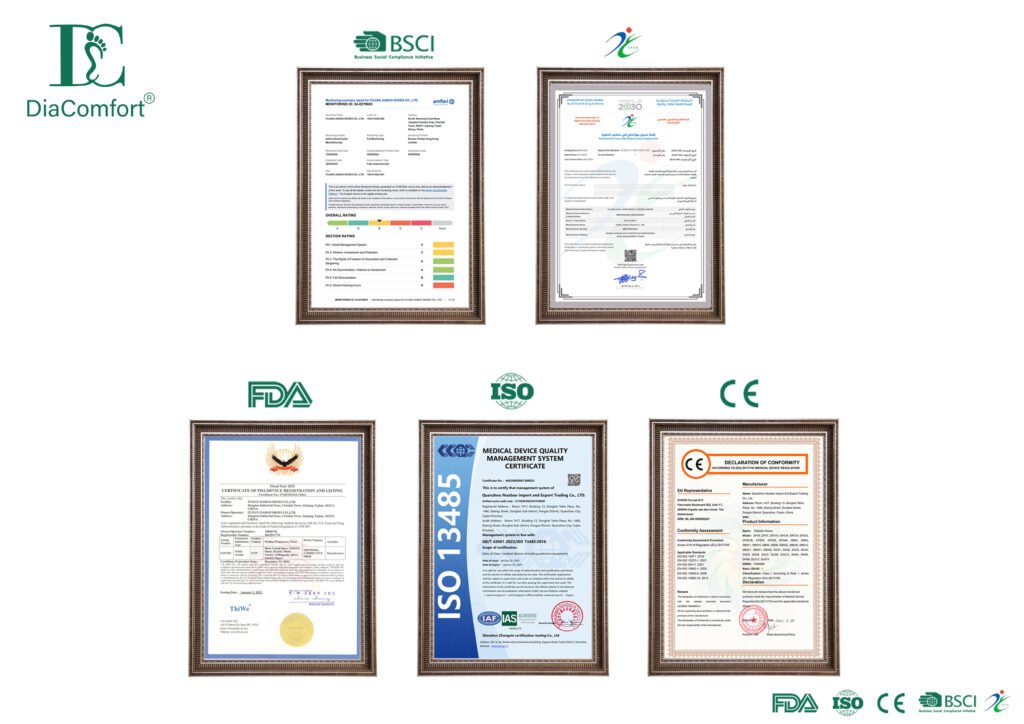
This Denis Brown Splint is suitable for infants with unilateral or bilateral congenital clubfoot. With a doctor’s guidance, it can be used following different wear routines: full-day use, overnight sleep wear, or daytime napping wear. Available for foot lengths between 7cm and 15cm, it fits babies of different ages and foot sizes. Backed by FDA, ISO, CE and BSCI certifications, this orthosis complies with overseas medical import regulations and accepts bulk B2B orders. Explore our Diacomfort orthopedic footwear series.
Looking for a compliant Denis Brown Splint supplier with reliable performance and comfortable fit? Reach out to us if you want to learn about specs, samples or custom solutions.
We provide B2B custom services and bulk delivery. Matching orthotic bars and other rehabilitation aids are also offered. Browse our independent site and Alibaba International shop to view our full orthotic catalog, and request certificates and quotation sheets.
Q1: When can a baby start wearing Denis Brown Splint?
A: Our DM108 Denis Brown Splint accommodates foot lengths from 7cm up to 15cm. It is engineered for infant clubfoot recovery and is normally prescribed after the baby has finished Ponseti casting treatment. To select a well-fitted size, take the baby’s actual foot size as the reference and follow recommendations from pediatric orthopedic specialists.
Q2: Do Denis Brown Splint rub and irritate a baby’s delicate skin?
A: Our Denis Brown Splint come with soft inner padding and polished rounded edges. This pressure reduced design cuts down risks of pressure wounds and skin discomfort. Still, a baby’s skin is extra sensitive at the beginning of brace wear. We advise pairing the Denis Brown Splint with lightweight cotton socks. Check the skin regularly following your doctor’s advice and keep an eye out for any prolonged redness or puffiness.
Q3: How long should a kid wear the Denis Brown Splint each day?
A: The wear schedule complies with the recognized Ponseti rehabilitation guideline. Right after the cast comes off, the standard suggestion is 23 hours of wear daily. Three months later, the routine changes to naptime and overnight use. This orthotic care continues until the child turns around 4 years old. All wear durations and angle adjustments need to be confirmed and overseen by the child’s orthopedic doctor.
Q4: Does this Denis Brown Splint have internationally recognized compliance certificates?
A: This orthotic product is backed by valid FDA, ISO, CE and BSCI certifications. It complies with the regulatory rules for cross-border medical supply exports and is available for orders from medical clinics and worldwide distributors.
Q5: Could the quick-release fitting loosen easily and affect the correction therapy?
A: Once locked, this groove-based quick-connect structure stays tightly fixed and will not loosen unexpectedly. Just press the release latch to detach the components. When installed properly, it consistently maintains the required external rotation angle. The design makes fitting and removal easier for caregivers, without compromising correction stability.